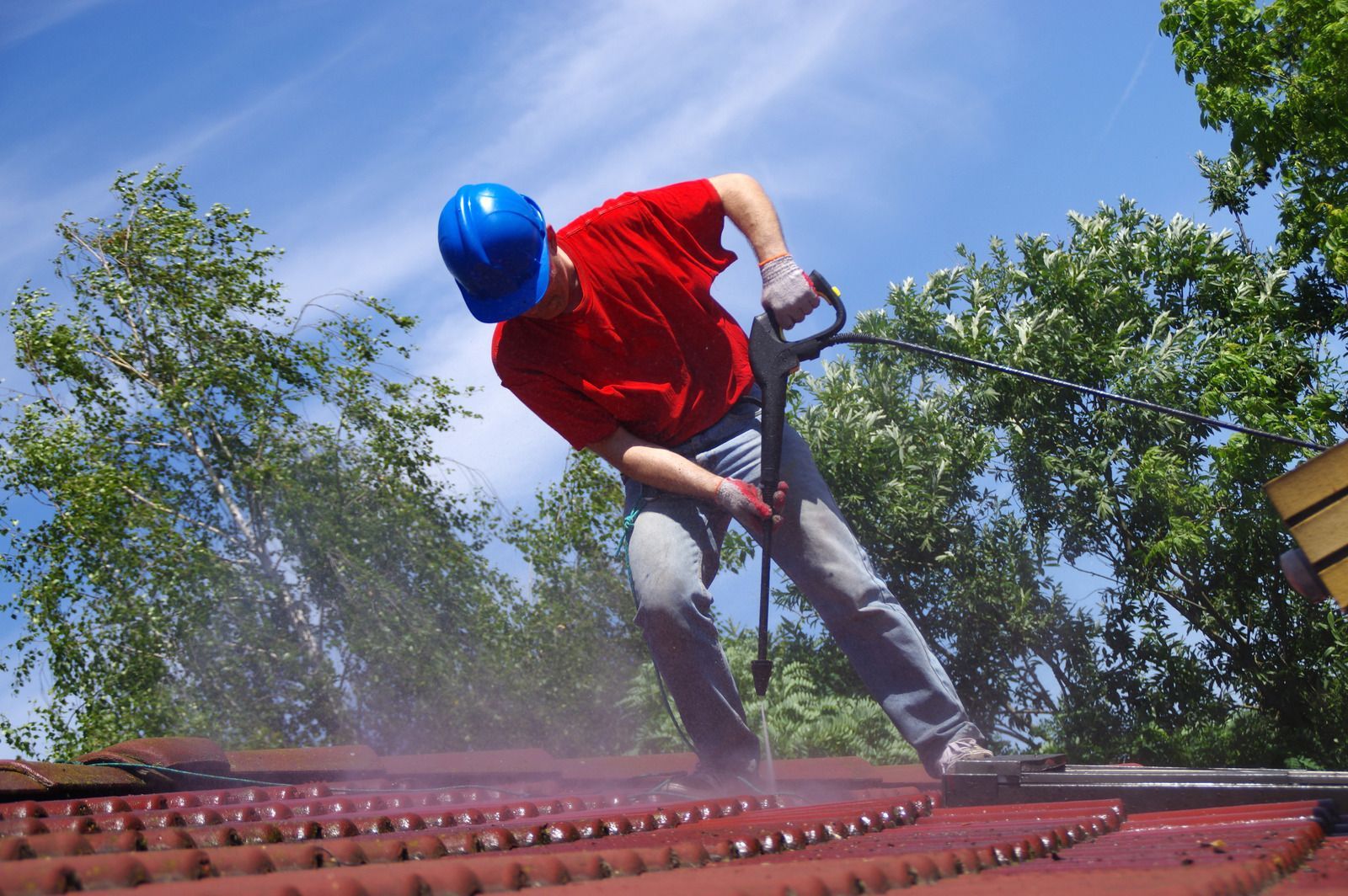
Why Exeter Roofs Grow So Much Moss
If your Exeter roof turns green faster than you would like, the Devon climate is largely to blame. Exeter sits in the mild, damp south west, in the valley of the River Exe, and that soft, wet weather is close to perfect for moss, algae and lichen. Understanding why is the first step to keeping a roof clean and protected.
This guide explains the local conditions that make Exeter roofs such a welcoming home for moss, what that growth does over time, and the practical steps that keep a roof clear for longer.
The quick answer: Exeter's mild, damp Devon climate and the shade of its many trees keep roofs moist for much of the year, which is exactly what moss and algae need, so local roofs benefit from regular gentle soft washing.
1. A mild, damp Devon climate
Exeter enjoys the temperate, maritime climate of the south west: mild winters, cool summers and rain spread throughout the year. It rarely gets cold enough for long to kill off surface growth, or hot and dry enough to bake it away.
Moss and algae love that steady dampness. They need moisture, a surface to cling to and a little shade, and in a climate where the tiles are wet more often than they are dry, spores that land on a roof find everything they need to take hold and spread.
This is why roofs across Devon, Exeter included, often look greener than those in the drier east of the country. It is the local weather doing much of the moss's work.
2. The River Exe and a green setting
Exeter's position on the River Exe adds moisture to the air, and the city is green and well treed, from its parks and river valley to leafy residential roads. All of that shade and damp helps keep roofs moist.
Shade is the key factor in how fast a roof greens over. A slope that faces north, or one shaded by trees or a neighbouring building, stays damp far longer than a sunny, open one, so it grows moss faster. You can often see the contrast on a single house.
The debris that trees drop compounds the problem, both holding moisture on the tiles and washing down to block the gutters below.
3. What moss does to a roof
A light dusting of algae is mostly cosmetic, but moss is a bigger problem. It grows into a thick, spongy mat that holds water like a sponge directly against the tiles, keeping them wet long after the rain stops.
That trapped moisture is the real damage. It works into the gaps and overlaps, and in freezing weather it expands as it turns to ice, which can crack tiles and open joints. Over the years, this constant wet and freeze cycle wears a roof down faster than it should.
Moss also travels. As clumps grow and break away, they slide into the gutters and downpipes, building up and causing blockages that lead to overflow and damp walls.
4. Which Exeter roofs are most at risk
Some roofs green over far faster than others, and it usually comes down to a few local factors. Knowing whether yours is high risk helps you decide how often it needs attention.
- North facing slopes that get little sun and stay damp most of the day.
- Roofs under or beside mature trees , shaded and showered with debris.
- Older, textured coverings such as weathered slate or clay that give spores an easy grip.
- Homes near the river or in low, sheltered spots where moisture lingers.
- Roofs not cleaned in years , where an established moss mat keeps thickening.
If your home ticks several of these, it is worth keeping a closer eye on the roof and cleaning it more regularly.
5. Keeping an Exeter roof clean for longer
The most effective response to the damp climate is a professional soft wash, which uses low pressure water and a biocide to kill moss, algae and lichen at the root rather than just scraping the surface. It cleans thoroughly without the risk of pressure washing.
The lasting protection is what makes it work here. The biocide keeps breaking down spores on the tile surface for months after the clean, slowing the regrowth that Exeter's climate encourages, so the roof stays clean for longer between visits.
Alongside cleaning, keeping overhanging branches trimmed where safe and the gutters cleared helps too. Staying ahead of the moss is far easier than clearing a thick, established mat.
6. Why gentle is the right approach
It is tempting to attack a green roof with a pressure washer, but on Exeter's older slate and clay roofs that causes more harm than good, cracking tiles, stripping their surface and forcing water underneath. A gentle, low pressure soft wash cleans just as thoroughly without the damage, and the biocide provides the lasting protection.
Frequently Asked Questions
Why is my roof greener than my neighbour's?
It usually comes down to shade and orientation. A north facing or tree shaded slope stays damp far longer than a sunny one, so it grows moss faster even on the same street.
Does moss really damage the roof?
Thick moss does. It holds moisture against the tiles, works into the joints, and can crack tiles in freezing weather, as well as blocking gutters. It is worth removing.
How often will moss come back in Exeter?
The damp climate means some regrowth is inevitable, but a soft wash with a biocide slows it significantly, often keeping a roof clear for a few years rather than months.
Will trimming my trees stop the moss?
Trimming overhanging branches helps by letting in light and air and reducing debris, but it will not stop moss entirely in a climate this damp. It is a useful step alongside cleaning.
Is it safe to clean the roof myself?
It is best not to. Working at height is risky, and pressure washing can damage tiles. A professional soft wash is safer and more effective.
Is your Exeter roof turning green?
Ben's Roof Cleaning treats moss and algae on roofs across Exeter and Devon, with over 15 years of experience and a safe soft washing method. Get in touch or call 07889 127153
for a free, no-obligation quote.
Living with the Devon weather
Exeter's mild, damp climate and green, riverside setting mean moss will always find a foothold on local roofs. That is the trade off for living in such a pleasant part of Devon. The part you can control is how you respond. A gentle, professional clean that kills the growth at the root, paired with regular gutter clearing and a little tree trimming, keeps the weather from getting the upper hand and your roof sound for years to come.