Lichen, Algae or Moss? Identifying What Is Growing on Your Exeter Roof
Look up at almost any roof around Exeter and you will spot something growing on it. Sometimes it is a soft green cushion, sometimes a dark streak running down the tiles, and sometimes a crusty grey or orange crust clinging to the surface. Most people lump it all together as moss, but it is rarely just one thing.
Knowing what you are actually looking at is genuinely useful. Moss, algae and lichen behave differently, take hold for different reasons, and give you slightly different clues about your roof. Once you can tell them apart, the whole subject makes a lot more sense, and you understand why our damp Devon climate makes every one of them so at home here.
The quick answer: The three most common growths on Exeter roofs are algae (flat black or green streaks), moss (raised, spongy green cushions) and lichen (crusty grey, white or orange patches). All three thrive in our wet climate, and all three are best removed with low-pressure soft washing rather than harsh jet washing.
1. Why Exeter roofs are such a welcoming home
Before sorting out which growth is which, it helps to understand why they all love it here so much. Exeter's mild, very wet climate, shaped by Atlantic weather and the damp air off the Exe estuary, keeps roofs moist for a large part of the year. Moisture is the single most important ingredient for all three growths.
The city's mix of housing adds to it. Shaded Georgian and Victorian terraces, leafy 1930s suburbs like Heavitree and Pinhoe, and plenty of mature trees all create the shade and shelter that these organisms prefer. North-facing slopes, which dry out slowly, tend to get the worst of it.
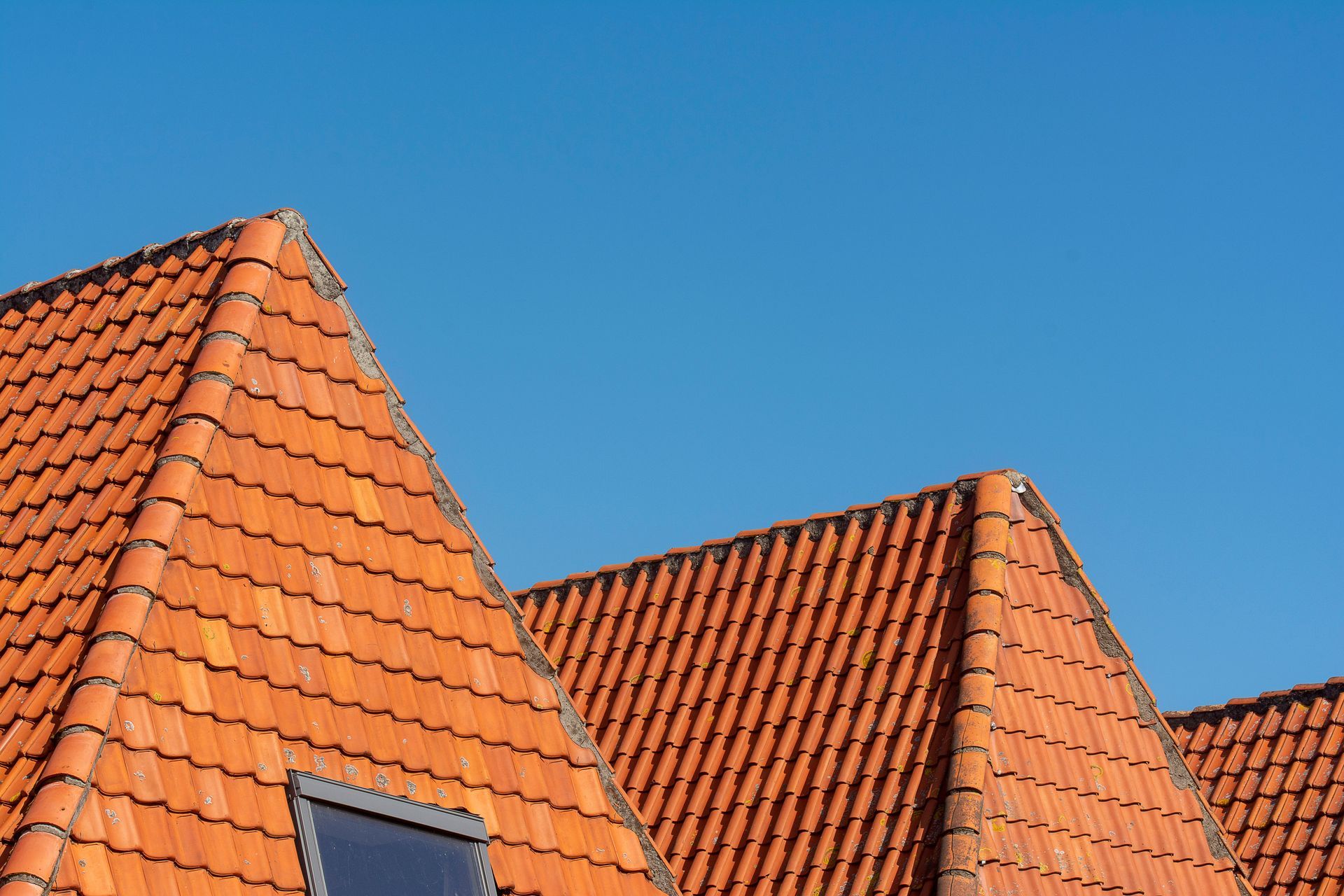
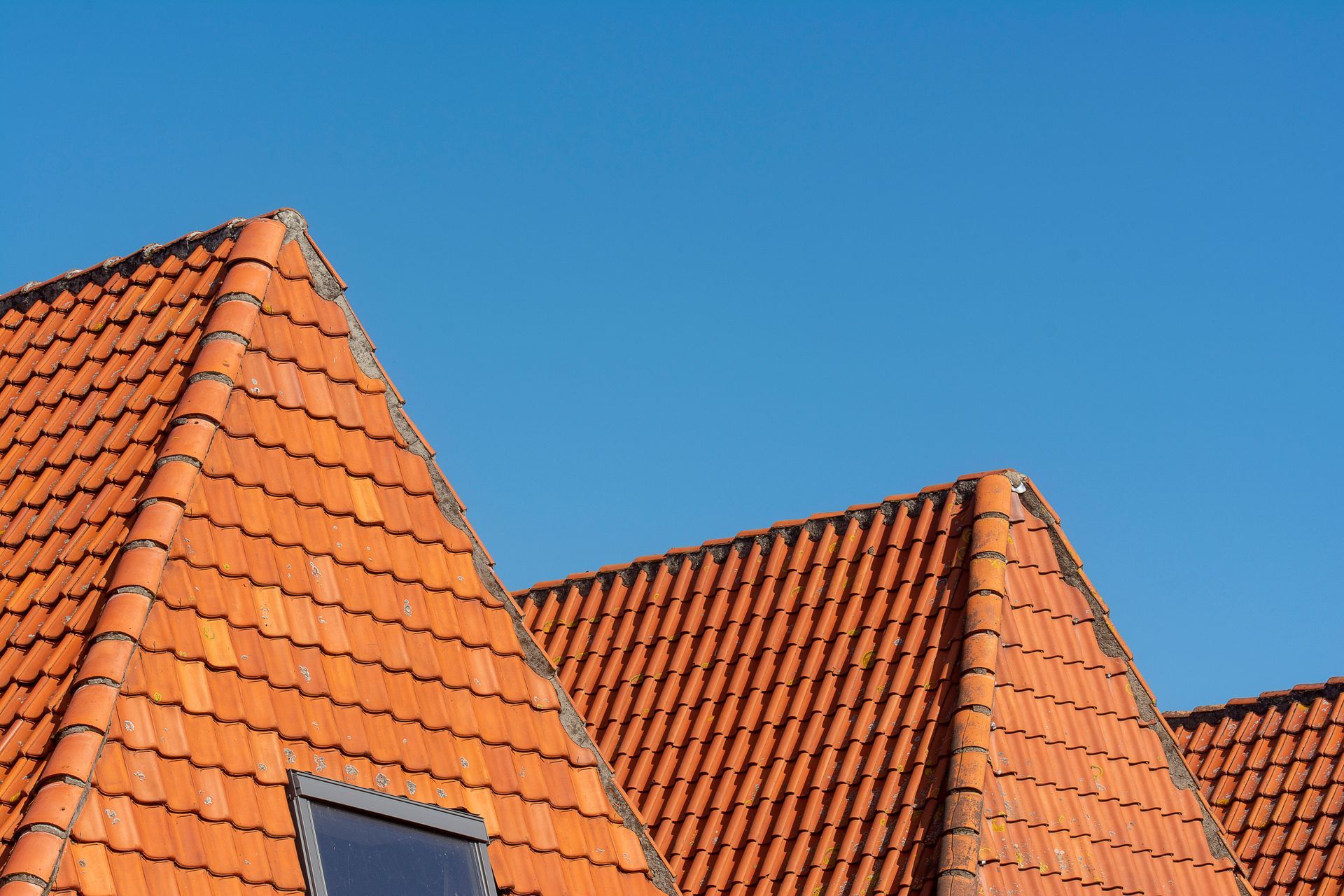
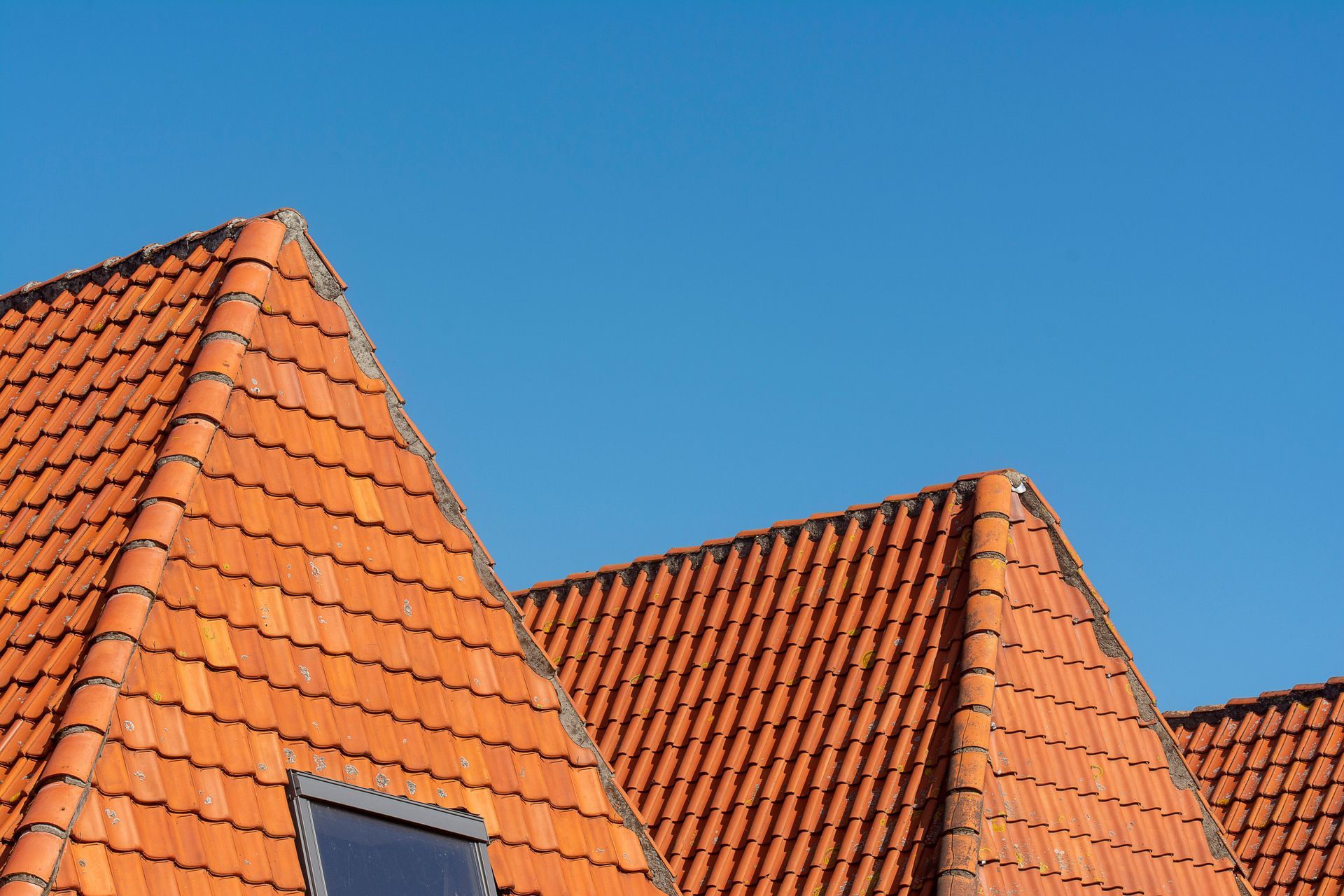
The roofing materials play a part too. The Welsh slate and clay tiles common across Exeter offer a slightly textured surface that spores and moss can cling to. Put all that together and you have close to ideal conditions for a green roof.
2. Algae: the black and green streaks
Algae is usually the first to appear and the easiest to overlook at first. It shows up as flat staining rather than anything raised, often as dark, blackish streaks running down the slope of the roof, or as a general greenish tinge across the tiles. Those tramline streaks you see on so many roofs are typically algae.
Because it is flat, algae does not physically lift tiles the way moss can, but it does spoil the look of a roof considerably and holds a film of moisture against the surface. Left unchecked, it also creates the slightly rough, damp conditions that make it easier for moss and lichen to move in afterwards.
Have you noticed dark stripes creeping down from your ridge tiles? That is almost always algae getting a foothold. It responds very well to a soft wash and biocide, which lifts the staining and slows its return.
3. Moss: the raised green cushions
Moss is the one most people picture, and it is hard to miss. It forms thick, spongy green or yellow-green cushions, often gathering along the bottom edges of tiles, in the gaps between them and around the ridge. Unlike flat algae, moss is distinctly three-dimensional and holds a great deal of water.
That water-holding habit is what makes moss more than a cosmetic issue. Sitting in the joints between tiles, it keeps the surface constantly damp, and as it grows it can gradually lift the edges of tiles and slates. When it sheds, chunks of it wash down into the gutters and block them, which brings its own damp problems.
Exeter's shaded, tree-lined streets are prime moss territory, particularly on those north-facing slopes that never fully dry. Because moss is so bulky, clearing it needs a careful, low-pressure approach that lifts it without cracking or dislodging the tiles beneath.
4. Lichen: the crusty patches
Lichen is the one people most often struggle to identify. It appears as flat, crusty patches that cling tightly to the tile, usually grey, white, pale green or sometimes a vivid orange or yellow. Rather than sitting on top like moss, it seems almost fused to the surface, which it is, through tiny root-like structures.
That firm grip is exactly what makes lichen stubborn to remove. It does not brush off the way loose moss does, and scrubbing at it aggressively risks damaging the tile. This is one of the clearest reasons to avoid high-pressure jet washing, which can strip the tile surface while trying to shift the lichen.
Lichen is a sign of clean air as much as damp conditions, so it is common on Devon roofs. A proper soft wash with the right biocide is the effective way to deal with it, breaking it down gently over time rather than gouging it off.
5. Why the difference matters for cleaning
Identifying the growth is not just an academic exercise, because each type behaves differently under treatment. A light film of algae may clear relatively quickly, while thick moss and firmly rooted lichen take more time and a more thorough approach to remove properly and safely.
What unites all three is that they should never be blasted off with high pressure. Aggressive jet washing can crack older Devon clay tiles, strip the weatherproof surface from Welsh slate and even force water up under the tiles. The damage often costs far more than the cleaning saved.
Soft washing, using low-pressure water and a biocide, deals with all three growths without harming the roof. The biocide continues working after the visible cleaning is done, which is particularly valuable against lichen and algae that would otherwise creep back quickly.
6. What the growth tells you about your roof
The type and spread of growth on your roof is a useful signal. A roof carpeted in heavy moss has probably been damp and neglected for some time, and its gutters are very likely blocked too. Widespread lichen suggests a long-established surface that has not been treated in years.
None of this necessarily means the roof is failing. As covered in our other guides, growth is usually a surface issue rather than a structural one. But it is a clear prompt that the roof would benefit from attention before the moss starts lifting tiles or the gutters overflow.
Catching it early makes everything simpler. A roof with light algae is a quick, straightforward job, whereas years of thick moss and crusted lichen is a much bigger task. Regular checks let you act while the growth is still easy to manage.
- Algae: Flat black or green streaks that stain the tiles and hold moisture without lifting them.
- Moss: Raised, spongy green cushions that trap water, lift tile edges and clog gutters.
- Lichen: Crusty grey, white or orange patches that cling tightly and resist casual removal.
- Soft washing suits all three: Low-pressure water and biocide clear every type without damaging tiles or slate.
Frequently Asked Questions
How can I tell moss from lichen at a glance?
Moss is raised, soft and spongy, like a small green cushion, while lichen is flat and crusty, clinging tightly to the tile in grey, white or orange patches. If it looks fused to the surface, it is lichen.
Is algae or moss worse for my roof?
Moss tends to cause more physical trouble because it holds water and can lift tiles, while algae is mainly a staining and moisture issue. Neither is good, and both are worth removing.
Why should I not just jet wash it all off?
High pressure can crack tiles, strip the surface off slate and force water underneath, causing damage that costs far more than the clean. Soft washing removes the growth safely instead.
Will the growth come straight back after cleaning?
A biocide treatment slows regrowth significantly, though our damp climate means some return over time is natural. Occasional maintenance keeps it in check for far longer.
Does lichen mean my roof is old or damaged?
Not necessarily. Lichen simply likes clean, damp air and untreated surfaces, so it is common on sound Devon roofs that have not been cleaned in a while.
Not sure what is growing on your Exeter roof?
Ben's Roof Cleaning brings over 15 years of experience in safe, effective roof cleaning across Exeter and the surrounding area. Get in touch or call 07889 127153
for a free, no-obligation quote.
Knowing your roof, keeping it healthy
Whether it is streaky algae, spongy moss or crusty lichen, all three are a natural consequence of Exeter's damp climate and none of them should be blasted off with high pressure. Learning to recognise what is growing up there helps you understand your roof and act at the right time, and a gentle soft wash will clear every type while keeping your tiles safe for years to come.