What Really Happens During a Professional Roof Clean in Exeter
Booking a roof clean for the first time can feel like a bit of a leap into the unknown. You know you want the moss gone and the roof looking cared for again, but what actually happens on the day is often a mystery. Will there be scaffolding? How long does it take? Will it make a mess of the garden?
Knowing what to expect takes the worry out of it and helps you spot a firm doing the job properly. A good professional clean follows a clear sequence, from the first look at the roof to the final tidy-up, and every stage has a purpose. Here is a walk through what a proper roof clean in Exeter really involves.
The quick answer: A professional roof clean in Exeter usually runs through six stages: a full assessment, safe access setup, clearing the loose growth, gentle low-pressure soft washing, a biocide treatment to slow regrowth, and a thorough tidy-up. The whole process is designed to protect your tiles while restoring the roof.

1. The assessment: looking before touching
Every good roof clean starts with a proper look at the roof, not a hose. Before any work begins, the roof is assessed to understand what it is made of, how steep it is, what is growing on it and whether there are any existing problems like slipped or cracked tiles. This shapes the whole approach.
Exeter's variety of housing makes this stage important. A Welsh slate roof on a Victorian terrace needs a different eye from a clay-tiled 1930s semi in Heavitree, and both differ from a more modern concrete tile. The assessment lets the cleaner choose the right method and products for your particular roof.
It is also the moment when honest advice is given. If the roof needs more than a clean, or if a particular area needs extra care, this is when you should hear about it. A firm that skips this step and goes straight in is one to be wary of.
2. Setting up safe access
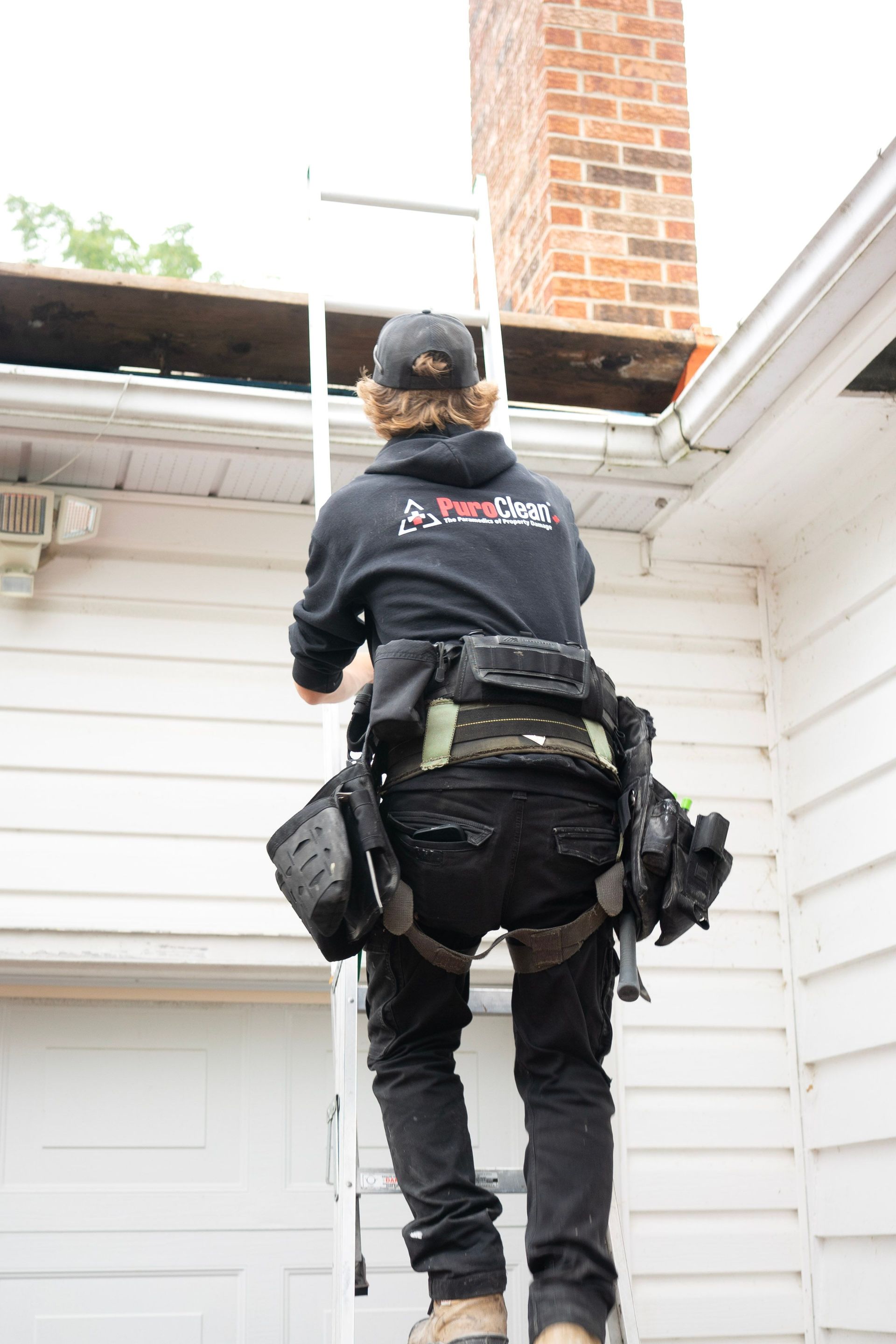
With the plan clear, the next job is getting up to the roof safely. Roof cleaning is work at height, so proper access is set up before anyone starts, whether that means ladders secured correctly, a tower or scaffolding, depending on the property and its surroundings.
This stage often includes a bit of preparation on the ground too. Delicate plants, garden furniture and anything that might be splashed can be moved or covered, and the working area is organised so the job runs smoothly and safely. A tidy, well-set-up site is a good sign.
On a tight city-centre street or a tall three-storey Georgian house, this setup takes more thought and time. That is simply part of doing the job properly, and it is why access is one of the things that affects the overall price.
3. Clearing the loose growth
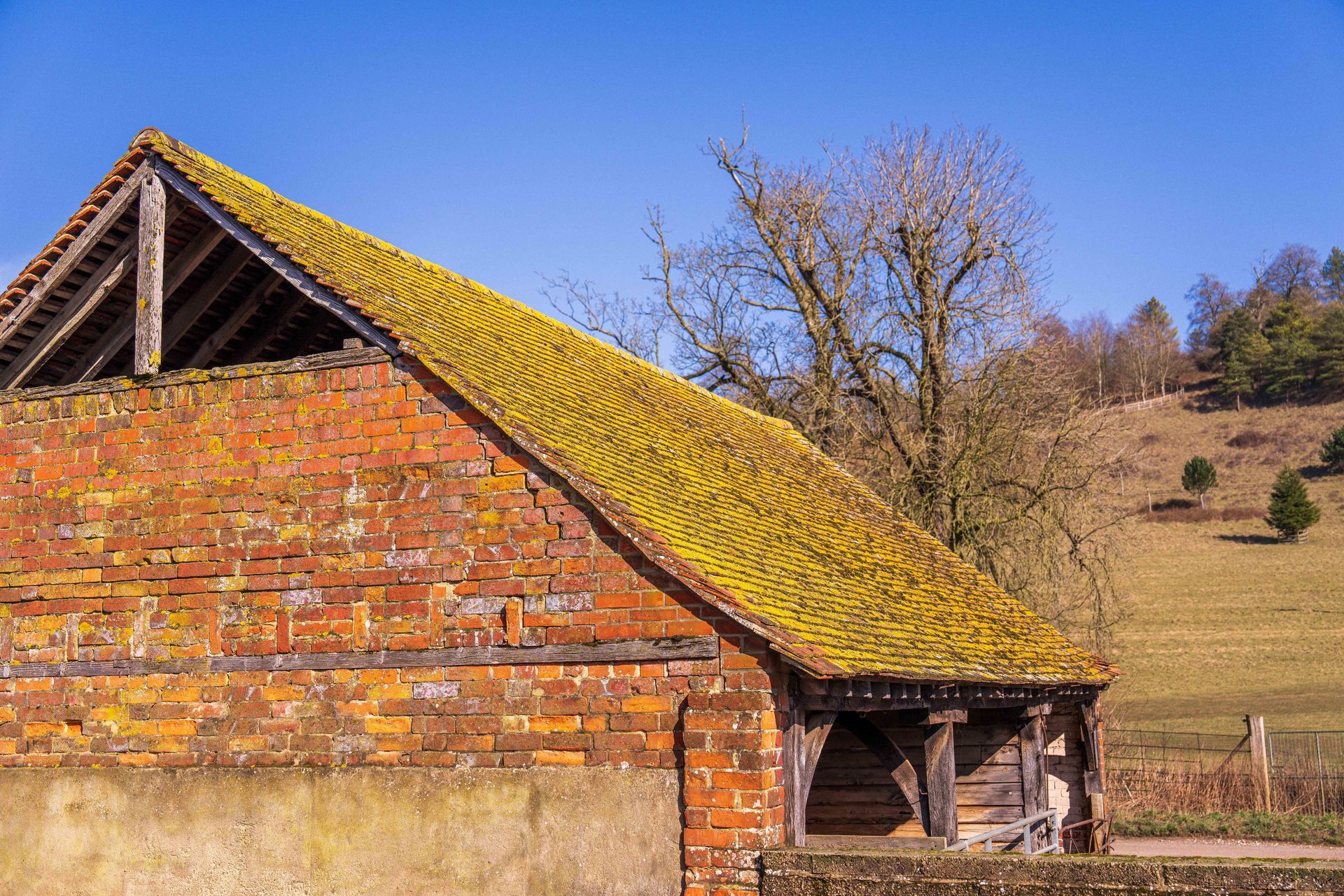
Once safe access is in place, the visible moss and debris are cleared. Thick moss is removed carefully, often by hand or with gentle tools, working with the tiles rather than against them. The aim is to lift the bulk of the growth without cracking, chipping or dislodging anything.
This is deliberately not done with high pressure. Blasting thick moss off with a jet washer might look dramatic, but on Exeter's older tiles and slate it risks real damage. Patient, careful clearing protects the roof and sets up the next stage to work properly.
As the moss comes off, it tends to shed down towards the gutters, which is why gutter clearing usually forms part of a complete job. Have you ever seen how much material comes off a really mossy roof? It is often a surprising amount, and it all has to go somewhere.
4. The soft wash itself
With the loose growth cleared, the roof is soft washed. This is the heart of the process. Low-pressure water, rather than a high-pressure jet, is used to clean the surface gently, lifting the remaining algae, dirt and staining without harming the tiles or slate beneath.
Soft washing is the method suited to Exeter's roofs precisely because it is kind to older, more brittle materials. It cleans thoroughly while respecting the age and condition of the tiles, avoiding the cracking and surface damage that aggressive pressure can cause. The difference in the roof's appearance at this point is usually striking.
This gentle approach is what separates a professional clean from a risky one. It takes a little longer than blasting, but it leaves the roof both clean and intact, which is very much the point.
5. Applying the biocide treatment
Cleaning the surface is only part of the story. To keep the roof cleaner for longer, a biocide treatment is applied once the growth has been removed. This continues working quietly over the following weeks and months, killing off remaining spores and slowing the return of moss, algae and lichen.
In Exeter's damp, mild climate, this step is especially valuable. Without it, the constant moisture that made the roof green in the first place would soon start the process all over again. The biocide is what gives a professional clean its lasting quality.
This is also the part that is genuinely hard to replicate with a DIY approach, since the right products, applied correctly and evenly, make all the difference. It is a quiet, unglamorous stage, but it is one of the most important.
6. The tidy-up and final check
A proper job does not end when the roof is clean. The last stage is clearing away all the moss and debris that has come down, rinsing paths and patios, and leaving your property looking neat rather than like a building site. Respect for your home is part of the service.
This is also when a final check happens. The cleaner looks over the finished roof, confirms everything has been treated, and can point out anything worth keeping an eye on in future. It is your chance to see the results and ask any questions.
A good firm wants you happy with both the roof and the state of your garden afterwards. That final tidy-up and walk-round is a mark of a company that takes pride in the whole job, not just the part that is high up out of sight.
- Assessment first: The roof is inspected so the right method and products are chosen for your tiles.
- Safe access: Proper equipment is set up and the ground area protected before work starts.
- Gentle cleaning: Loose moss is cleared by hand and the surface soft washed at low pressure.
- Biocide and tidy-up: A treatment slows regrowth, and everything is cleared away and checked at the end.
Frequently Asked Questions
How long does a professional roof clean take?
It depends on the size, pitch and condition of the roof, so anything from part of a day to longer for a large or very mossy roof. The assessment gives a realistic idea before work begins.
Will I need scaffolding?
Not always. Access depends on the property, and many jobs use secured ladders or a tower instead. Taller or awkward roofs may need scaffolding, which is decided at the assessment stage.
Do I need to be home during the clean?
Usually the work is external, so you do not have to be present the whole time, though it helps to be available at the start and end to discuss the job and see the results.
Will it make a mess of my garden?
Growth does come down during the clean, but a proper job includes protecting plants beforehand and clearing everything away afterwards, leaving your property tidy.
Does the clean include the gutters?
Often it does, since moss shed from the roof ends up there. We are always clear about whether gutter clearing is part of your particular quote.
Ready to see what a proper roof clean can do?
Ben's Roof Cleaning brings over 15 years of experience in safe, effective roof cleaning across Exeter and the surrounding area. Get in touch or call 07889 127153
for a free, no-obligation quote.
Knowing what to expect on the day
A professional roof clean in Exeter is a careful, staged process, from the first assessment through to the final tidy-up, and every step is there to clean the roof thoroughly while keeping your tiles safe. Understanding what happens takes the mystery out of booking and helps you recognise a firm doing the job the right way, so you can look forward to a roof restored without any nasty surprises.